


Hospital cleaning is the systematic process of disinfecting, sanitizing, and maintaining all areas of a healthcare facility to prevent infection and protect patients, staff, and visitors. It covers daily surface cleaning, terminal disinfection after discharge, isolation-room protocols, and specialized care for high-risk areas like ICUs and operating rooms.
Hospitals are among the most complex environments to keep clean. A single missed high-touch surface can spread bacteria to dozens of patients within hours. Patients struggling with illness already have weakened immune systems, so the standard of cleanliness in a healthcare facility directly affects whether they recover or get worse.
This problem happens when facility managers treat hospital cleaning like ordinary office cleaning. The two are not the same. Hospital cleaning follows strict infection-control protocols, uses hospital-grade disinfectants, and requires trained staff who understand cross-contamination risks. Without that structure, even a visually clean ward can carry dangerous pathogens.
This guide covers everything you need to know about hospital cleaning in Dhaka: what it is, the types used, the real benefits, current cost factors, and the methods professionals apply. According to the World Health Organization (WHO), healthcare-associated infections (HAIs) affect up to 15% of hospitalized patients in low- and middle-income countries. Proper hospital cleaning is one of the most cost-effective tools available to reduce that figure. Read on to find out how it works and what it costs in Dhaka.
What Is Hospital Cleaning?
Hospital cleaning is a structured, infection-control-driven process that removes dirt, pathogens, and biohazardous waste from every surface and area inside a healthcare facility. Unlike standard commercial cleaning, hospital cleaning follows protocols set by health authorities such as the WHO and the Directorate General of Health Services (DGHS) in Bangladesh. It uses hospital-grade disinfectants, color-coded equipment, and trained technicians to stop the spread of bacteria, viruses, and fungi between patients and staff.
Customers struggle with understanding why hospital cleaning costs more than regular cleaning. The answer lies in the scope. A hospital cleaning team does not simply mop floors and empty bins. They disinfect bed rails, door handles, IV poles, call buttons, and every other surface a patient or clinician touches. They manage biohazardous waste safely. They follow re-entry timing protocols after applying disinfectants so that chemicals work fully before patients return to a room.
The goal is not just a clean-looking facility. The goal is a microbiologically safe environment where infection risk stays as low as possible.
How Does Hospital Cleaning Work?
The system works by dividing a hospital into zones based on infection risk, then applying the appropriate cleaning protocol to each zone. Low-risk areas like administrative offices receive routine cleaning. High-risk areas like isolation rooms, operating theaters, and ICUs receive intensive disinfection using hospital-grade chemicals and, in some cases, UV or electrostatic technology.
Cleaning teams follow a structured schedule: daily cleans during patient occupancy, intermediate cleans between procedures, and full terminal cleans after a patient is discharged or an isolation period ends. Each clean uses color-coded cloths and mop heads to prevent cross-contamination between zones. For example, red equipment stays in toilet areas only, while blue handles general ward surfaces.
What Is the Role of a Hospital Cleaner?
A hospital cleaner carries out far more responsibility than a standard cleaning operative. They disinfect high-touch surfaces on a fixed schedule, handle clinical and biohazardous waste according to safety regulations, and report any spills or contamination events to the infection-control team immediately.
They also support patient dignity by keeping rooms tidy, odor-free, and visually reassuring. A clean room signals to patients that the facility takes their care seriously. Hospital cleaners work across all hours, including nights and weekends, because infection risk does not pause when administrative staff go home.
What Are the Types of Hospital Cleaning?
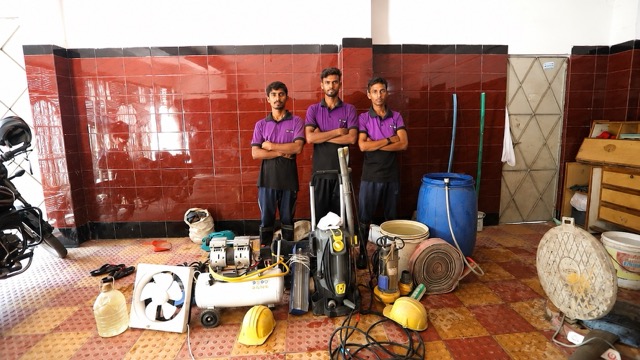
Hospital cleaning is not a single service. It breaks down into four distinct types, each designed for a specific level of infection risk and operational need.
1. Routine Daily Cleaning
Routine daily cleaning maintains baseline hygiene in occupied patient areas throughout the day. Cleaners wipe down high-touch surfaces, mop floors with disinfectant solution, empty waste bins, replenish consumables like soap and paper towels, and keep common areas presentable.
This type of cleaning happens multiple times per day in active wards. It does not require the room to be vacated, so it runs continuously around patient care activities. The goal is to reduce the buildup of pathogens on surfaces before they reach levels that pose infection risk.
Routine cleaning is the most visible form of hospital cleaning and the one that patients and visitors notice most directly.
2. Terminal Cleaning
Terminal cleaning is the full, deep disinfection of a room after a patient is discharged or transferred. Every surface in the room is cleaned and disinfected from ceiling fixtures down to floor skirting, including the mattress, bed frame, all furniture, curtains, and ventilation outlets.
The process takes significantly longer than routine cleaning. A single bed bay can take one to two hours to terminal-clean properly. This type of hospital cleaning is critical for breaking the chain of infection between successive patients who occupy the same room.
Terminal cleaning also applies after any significant contamination event, such as a blood spill, a vomiting episode, or the confirmed presence of a highly contagious pathogen.
3. Isolation and Infection-Control Cleaning
Isolation and infection-control cleaning applies to rooms housing patients with confirmed or suspected communicable diseases. These rooms require enhanced protocols: more frequent cleaning cycles, stronger disinfectants approved for the specific pathogen, full personal protective equipment (PPE) for cleaning staff, and strict entry and exit procedures.
The cleaning team follows a specific sequence to avoid carrying contamination out of the room. Equipment used in isolation rooms stays in those rooms or is single-use. This type of hospital cleaning demands the highest level of staff training and protocol adherence.
Pathogens like Clostridioides difficile (C. diff) and methicillin-resistant Staphylococcus aureus (MRSA) require sporicidal or specialized disinfectants that standard products cannot eliminate. Using the wrong product in an isolation room does nothing to reduce transmission risk.
4. Specialized Area Cleaning (ICU and Operating Rooms)
Intensive Care Units (ICUs) and operating rooms require specialized hospital cleaning that goes beyond standard ward protocols. These are the highest-risk environments in any healthcare facility. A patient undergoing surgery or receiving intensive care has near-zero ability to fight off an infection introduced through a contaminated surface.
Operating rooms receive a full clean before the first procedure of the day, a between-case clean after each operation, and a terminal clean at the end of the day. ICU cleaning happens on continuous rolling schedules to keep surfaces disinfected around patients connected to life-support equipment.
Specialized area cleaning uses validated disinfectants, specific dwell times, and in many modern facilities, supplementary technologies like UV disinfection robots to reach surfaces that manual cleaning may miss.
What Are the Benefits of Hospital Cleaning?
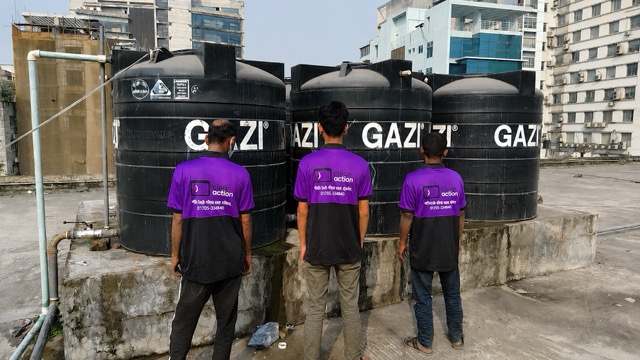
Proper hospital cleaning delivers measurable, documented benefits for patients, staff, and the facility as a whole. Here are the four most significant.
1. Reduces Healthcare-Associated Infections (HAIs)
Rigorous hospital cleaning directly reduces HAIs, one of the leading causes of preventable patient harm globally. According to WHO, HAIs affect hundreds of millions of patients every year worldwide, and a significant proportion of those infections trace back to contaminated environmental surfaces.
Studies published in peer-reviewed infection-control journals consistently show that facilities with structured cleaning and disinfection programs record lower rates of C. diff, MRSA, and Vancomycin-resistant Enterococci (VRE) transmission. These are pathogens that survive on hard surfaces for days or weeks. Daily disinfection breaks their transmission cycle before they reach vulnerable patients.
In Dhaka’s high-patient-volume facilities, where bed turnover is fast, reducing HAIs protects more patients per cycle and lowers the cost of treating secondary infections.
2. Protects Patients, Staff, and Visitors
Hospital cleaning protects everyone who enters the facility, not just admitted patients. Clinical staff face occupational exposure to pathogens every day. Cleaners themselves work in direct contact with contaminated surfaces. Visitors, many of whom may be elderly or immunocompromised, pass through corridors and waiting areas where surface contamination can transmit easily.
A well-maintained cleaning program using safe, approved chemicals reduces biological hazard exposure for all these groups. It also protects cleaning staff specifically, since they handle biohazardous waste and bodily fluid spills as part of their daily work. Proper equipment, PPE, and training are not optional extras. They are core to a safe hospital cleaning operation.
3. Improves Patient Experience and Facility Reputation
Patients consistently rate cleanliness among the top factors in their perception of care quality. A visibly clean room, fresh-smelling ward, and spotless bathroom signal competence and professionalism to patients and their families. This problem happens when hospitals focus entirely on clinical outcomes while neglecting the environmental experience of patients.
In Dhaka’s growing private healthcare sector, facility reputation influences patient choice directly. A hospital known for clean, well-maintained wards attracts more patients and retains staff who take pride in their workplace. The reverse is also true: reports of poor hygiene travel quickly and damage patient trust in ways that take years to rebuild.
4. Ensures Regulatory and Safety Compliance
Healthcare facilities in Bangladesh operate under oversight from the DGHS and must meet national infection-control standards. Hospital cleaning is not optional in this regulatory environment. Facilities that fail to maintain documented cleaning protocols risk penalties, license complications, and in serious cases, forced closures.
Internationally, standards from the WHO and bodies like the Association for Professionals in Infection Control and Epidemiology (APIC) provide the framework that reputable Dhaka hospitals align to. Having a professional, documented hospital cleaning program demonstrates compliance and protects the facility during inspections and audits.
How Much Does Hospital Cleaning Cost in Dhaka?
Hospital cleaning costs in Dhaka vary considerably depending on the size of the facility, the types of areas involved, and the frequency of service required. There is no single published rate that applies to all hospitals, because the scope of work differs so significantly from one facility to the next.
What Affects Hospital Cleaning Cost in Dhaka?
Several factors drive the final price of a hospital cleaning contract in Dhaka.
Facility size: Larger hospitals with more beds, more floors, and more specialized areas require larger cleaning teams and more hours per cycle. Cost scales with total cleanable floor area.
Area type: Routine ward cleaning costs less per square foot than ICU or operating room cleaning. Specialized areas require more time, stronger chemicals, and higher-trained staff, which increases the unit cost.
Cleaning frequency: Daily cleaning contracts cost more per month than weekly or periodic deep-clean arrangements. Hospitals with high bed occupancy typically require multiple daily cleans.
Chemical and equipment requirements: Hospital-grade disinfectants approved for healthcare use cost significantly more than standard commercial cleaning products. Facilities requiring UV or electrostatic disinfection technology carry additional equipment costs.
Labor and compliance: Trained hospital cleaning technicians command higher rates than general cleaning staff. Facilities that require documented compliance logs, audit trails, and infection-control reporting add administrative cost to the service.
Cost by Facility Size and Cleaning Frequency
Customers struggle with estimating hospital cleaning costs without a site assessment because no two facilities share the same layout, patient volume, or infection-control requirements. A small private clinic in Dhanmondi has very different needs from a large multi-specialty hospital in Gulshan or Uttara.
As a general framework, smaller outpatient facilities with limited specialized areas cost significantly less to maintain than full inpatient hospitals with ICUs, operating suites, and isolation wards. Daily full-facility contracts for large hospitals represent a substantial ongoing operational expense.
Clean Action BD provides free on-site inspections and quotes before any hospital cleaning work begins. This ensures the price you receive reflects the actual scope of your facility, not a generic estimate.
How to Get a Free Hospital Cleaning Quote
The most accurate way to determine hospital cleaning costs for your facility in Dhaka is to request a free inspection. A professional cleaning provider will assess your facility’s size, zone types, infection-control requirements, and cleaning frequency needs before providing a written quote.
This approach eliminates surprises. You know exactly what the service covers, what chemicals and methods the team uses, and what the full cost will be before any work begins. Contact Clean Action BD at 01705334840 (phone or WhatsApp) or email cleanactionbd@gmail.com to arrange a free inspection at your facility.
What Are the Methods of Hospital Cleaning?
Hospital cleaning applies specific methods to specific surfaces and situations. Each method targets a different type of contamination risk.
1. High-Touch Surface Disinfection
High-touch surface disinfection targets the surfaces that hands contact most frequently: door handles, bed rails, light switches, call buttons, taps, and nurse station counters. These surfaces accumulate the highest pathogen loads in any healthcare environment.
Cleaning staff disinfect these surfaces on a fixed schedule throughout the day using approved hospital-grade disinfectants. The process involves applying the disinfectant, allowing the required contact or dwell time, and then removing residue. Skipping the dwell time is a common error that reduces efficacy significantly. The chemical must stay wet on the surface long enough to kill the target pathogen.
2. Floor Care and Damp-Mopping
Floor care in hospital cleaning uses damp-mopping techniques rather than wet-mopping to avoid spreading contaminated water across large surface areas. Color-coded mop heads prevent cross-contamination between zones.
Hospital floors in clinical areas receive disinfectant solution mopping on each cleaning cycle. High-traffic corridors, waiting areas, and entrance zones require more frequent attention than administrative offices. Spills of bodily fluids or chemicals trigger an immediate response clean using appropriate PPE and spill kits before standard floor care resumes.
3. Linen and Biohazard Waste Handling
Used linen and biohazardous waste represent direct infection-transmission risks if handled incorrectly. Hospital cleaning teams bag, label, and segregate clinical waste from general waste at the point of collection. Biohazard bags go to designated secure holding areas for collection by licensed clinical waste disposal providers.
Used linen goes into dedicated laundry bags and never touches the same surface as clean linen. This segregation prevents pathogen transfer during the collection and transport process. Cleaning staff handling biohazardous materials wear appropriate PPE including gloves, aprons, and in high-risk areas, face protection.
4. UV and Electrostatic Disinfection Technology
UV and electrostatic disinfection technology supplements manual hospital cleaning in high-risk areas. UV-C light devices emit ultraviolet radiation that destroys the DNA of bacteria and viruses on exposed surfaces, reaching areas that manual wiping may miss, including undersides of furniture, ceiling fixtures, and complex equipment surfaces.
Electrostatic sprayers apply charged disinfectant droplets that wrap around surfaces and adhere to irregular shapes more effectively than standard spray-and-wipe methods. These technologies do not replace manual cleaning. They work alongside it to reduce residual pathogen loads in ICUs, operating rooms, and isolation units after manual cleaning is complete.
Modern hospital cleaning providers in Dhaka are increasingly adopting these technologies to meet the infection-control expectations of accredited healthcare facilities.
How Does Routine Cleaning Differ from Terminal Cleaning?
Routine cleaning and terminal cleaning are both part of hospital cleaning, but they serve different purposes and operate on different schedules. Understanding the difference helps facility managers allocate resources correctly and ensures no cleaning gap exists between patient admissions.
Routine Cleaning: Daily Upkeep While the Room Is Occupied
Routine cleaning maintains hygiene in a room while a patient is still using it. Cleaners work around the patient, disinfecting accessible high-touch surfaces, mopping floors, emptying waste bins, and replenishing consumables. This type of hospital cleaning happens multiple times per day in busy wards.
The scope is intentionally limited by the presence of the patient and their belongings. Cleaners do not move or disturb clinical equipment, personal items, or medical devices. The goal is to reduce surface contamination without disrupting ongoing patient care.
Terminal Cleaning: Full Disinfection After Discharge or Isolation
Terminal cleaning begins only after the patient has vacated the room. Every item in the room is removed, cleaned, or replaced. The entire room surface, from ceiling to floor, receives a full disinfection cycle. Bed frames, mattresses, curtains, storage surfaces, and bathroom fixtures all go through the terminal clean protocol.
This type of hospital cleaning takes considerably longer than routine cleaning and requires the room to remain unoccupied for the full cleaning and dwell-time period before the next patient admission. Hospitals that cut corners on terminal cleaning by rushing turnover between patients create direct infection-transmission risk for incoming patients.
The distinction matters because both types are necessary. Routine cleaning without terminal cleaning leaves accumulated contamination unaddressed. Terminal cleaning without routine cleaning allows pathogen loads to build dangerously between patient discharges.
Professional Hospital Cleaning Services in Dhaka by Clean Action BD
Clean Action BD Hospital Cleaning Services
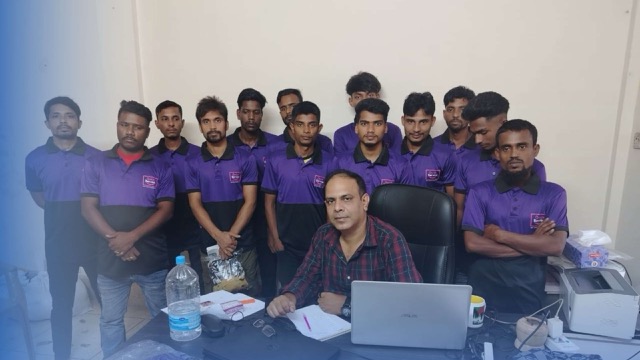
Clean Action BD provides professional hospital cleaning services in Dhaka with trained crews, modern equipment, and safe hospital-grade chemicals. The team follows a structured 5-step process for every engagement: free inspection and assessment, quote and service plan, surface and area preparation, cleaning and treatment application, and quality check with aftercare support.
Cleaning technicians are trained in infection-control protocols appropriate for healthcare environments, including high-touch surface disinfection, biohazard waste handling, and color-coded zone management. The on-call operations team is available 24 hours, so facilities can reach Clean Action BD at any hour for urgent cleaning needs. With around 7 years of operation in Dhaka, Clean Action BD brings consistent, documented experience to every hospital cleaning project.
No job is considered complete until the client confirms full satisfaction. Clean Action BD uses premium-quality imported cleaning chemicals that meet the standards required for healthcare and institutional environments.
Residential, Commercial, and Institutional Coverage
Clean Action BD serves a wide range of properties across Dhaka, including hospitals, clinics, diagnostic centers, and outpatient facilities. Beyond healthcare, the team handles deep cleaning for homes, apartments, offices, hotels, resorts, restaurants, and industrial spaces.
This range of experience means Clean Action BD understands the specific cleaning demands of institutional environments in areas including Gulshan, Banani, Dhanmondi, Uttara, Tejgaon, and across the wider Dhaka metropolitan area. Whether the facility is a small private clinic or a multi-floor hospital, Clean Action BD structures the service to match the actual scope.
Get a Free Hospital Cleaning Inspection and Quote from Clean Action BD
Clean Action BD offers a free inspection and quote before any hospital cleaning work begins. There is no obligation and no fixed rate imposed before the team assesses your facility’s specific requirements.
To schedule your free inspection, call or WhatsApp 01705334840, or email cleanactionbd@gmail.com. The Clean Action BD office is located at 223, Bir Uttam Mir Shawkat Road, Tejgaon, Dhaka 1208. You can also connect through Facebook, YouTube, Google, LinkedIn, Instagram, or WhatsApp. Contact Clean Action BD today for a free consultation and start building a cleaner, safer healthcare environment for your patients and staff.